
👟 The Driving Force Behind Your Favourite Sneaker - Phil Knight (Founder of Nike)
The routines behind Nike’s main man, Phil Knight, and how he turned a side hustle into a billion-dollar empire.

The most recognisable face of Nike is Michael Jordan. But, the most impactful person behind the brand? It’s Founder, Phil Knight.
Most people don’t know that Nike started as a side hustle called Blue Ribbon Sports. Phil’s obsession with running and his MBA thesis - which argued that importing Japanese running shoes to the U.S. could be lucrative - led him to strike a deal with Onitsuka (now Asics) to distribute their sneakers in North America.
But the journey wasn’t smooth. In fact, it was rough. After a fallout with Onitsuka, Phil decided to pivot from distributor to a creator and started Nike. Like with all new things, he didn’t get it right the first time. He figured things out along the way, pushed through setbacks, and refused to quit.
After digging into Shoe Dog and other sources, I've uncovered three core routines that defined his success. Let’s take a look at what exactly Phil did again, again, and again to turn this side hustle into a billion-dollar empire.
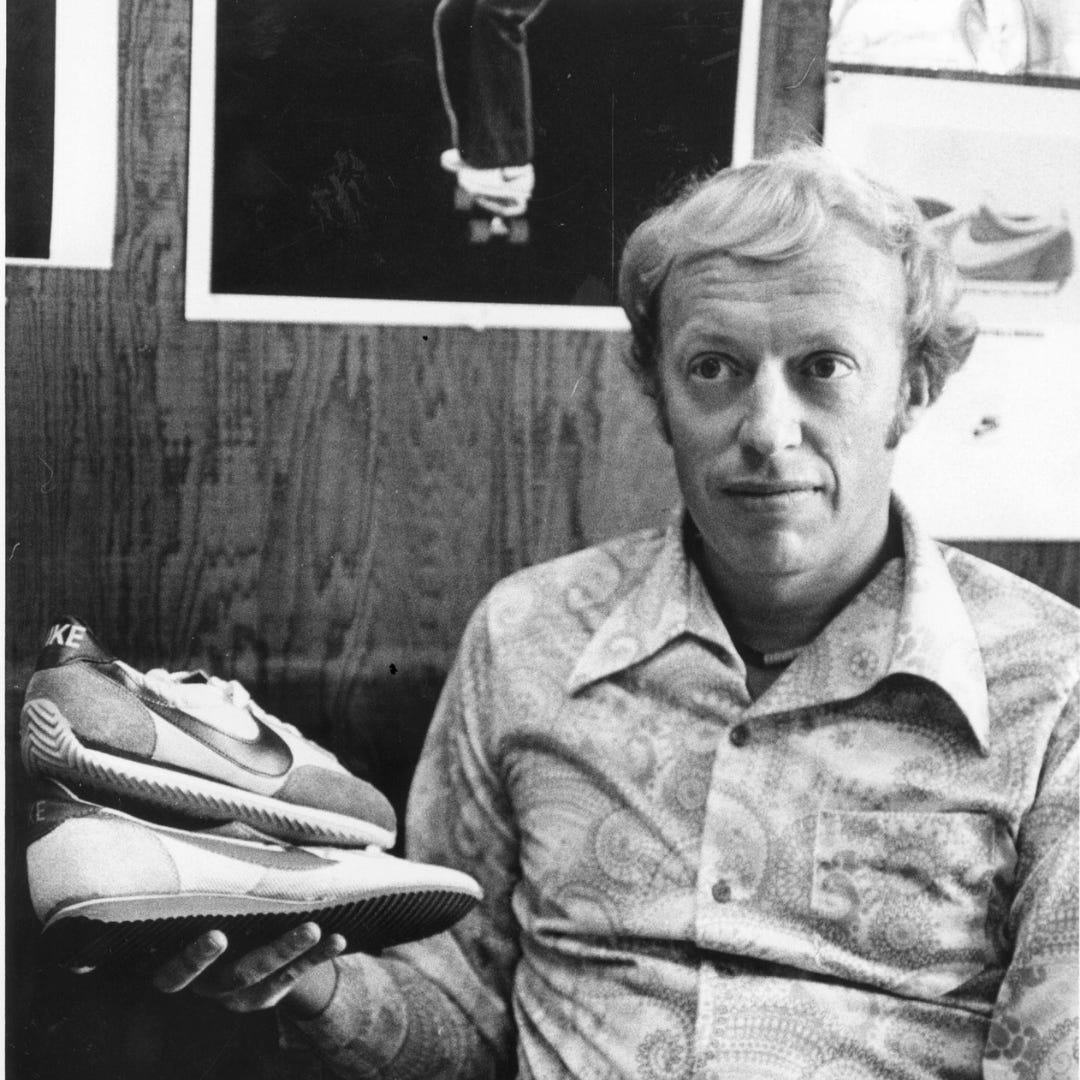
1. He approached business like war
Phil Knight wasn’t running a business - he was waging a war. I don’t mean that in a fluffy, LinkedIn-motivation-post kind of way. His story felt less like a business journey and more like a military campaign - strategising, attacking, defending, and always finding a way to stay on the offensive. When I found out that his leadership influences were Churchill, Kennedy, and Tolstoy, it made so much sense. He was obsessed with leadership under extreme conditions. He wasn’t about the violence, but leading through pressure? He LOVED it.
One of his most infamous routines was holding annual "Buttface" meetings. These weren’t your average off-sites. They were more like military strategy sessions with his team (the Buttfaces) to plan their next big move. At the retreats, there was no formal hierarchy. Anyone could speak up, challenge ideas, and take down strategies that didn’t hold up under pressure. The only thing that mattered to Phil was winning.
The Acquired podcast described Knight as “one of the Genghis Khans of our time” - a quiet but ruthless competitor who knew the only way to win was to outwork, outthink, and outmanoeuvre everyone else. All of this still breathes in the Nike DNA today. If you don’t believe me, try wearing Adidas around a Nike HQ and see what kind of looks you get.
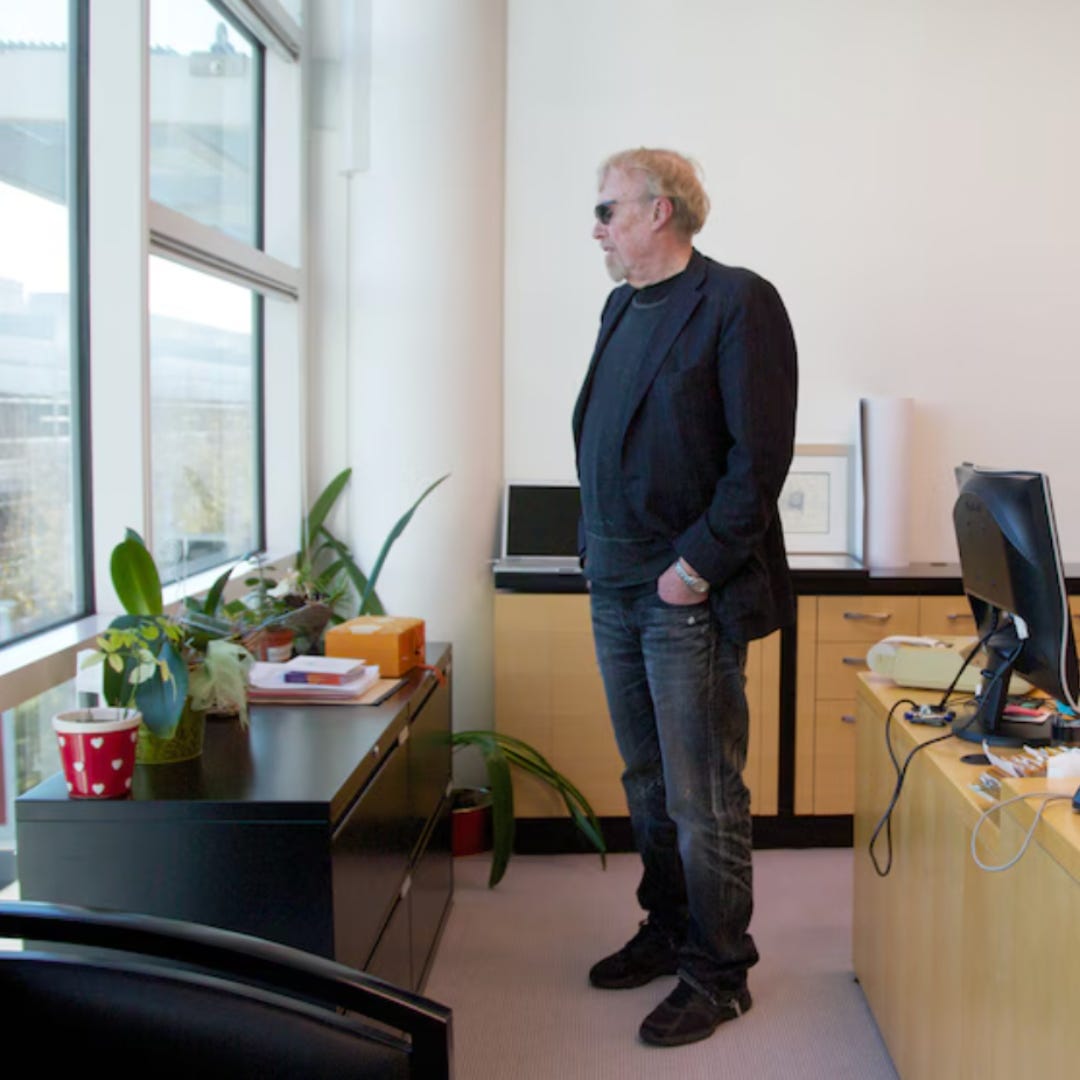
2. He focused solely on Nike
If Phil Knight had a superpower, it was focus.
Nike was barely surviving in the early days. The company had a 100% debt-to-equity ratio, so for every $1 from investors, it owed $1 in debt. Crazy. They were basically living paycheck to paycheck, but with millions of dollars on the line. Most founders would have lost track and given up. Phil? He doubled down. When US banks refused to lend to Nike, he secured a lifeline from Nisho Iwai, a Japanese trading company, to fund Nike’s inventory. He even offered retailers a 7% discount if they paid upfront so they could help their cash flow problems. His ability to stay focused on the bigger picture while navigating financial chaos is what kept Nike alive.
Guess the one thing that helped him, though? Night runs. After work, he’d lace up his shoes and head out for a six-mile run. For Phil, running wasn’t just physical - it was mental clarity. It gave him the space to process tough decisions, reset his mind, and focus. Focus wasn’t just a business strategy for Phil - it was a personal survival mechanism that became part of Nike’s DNA.
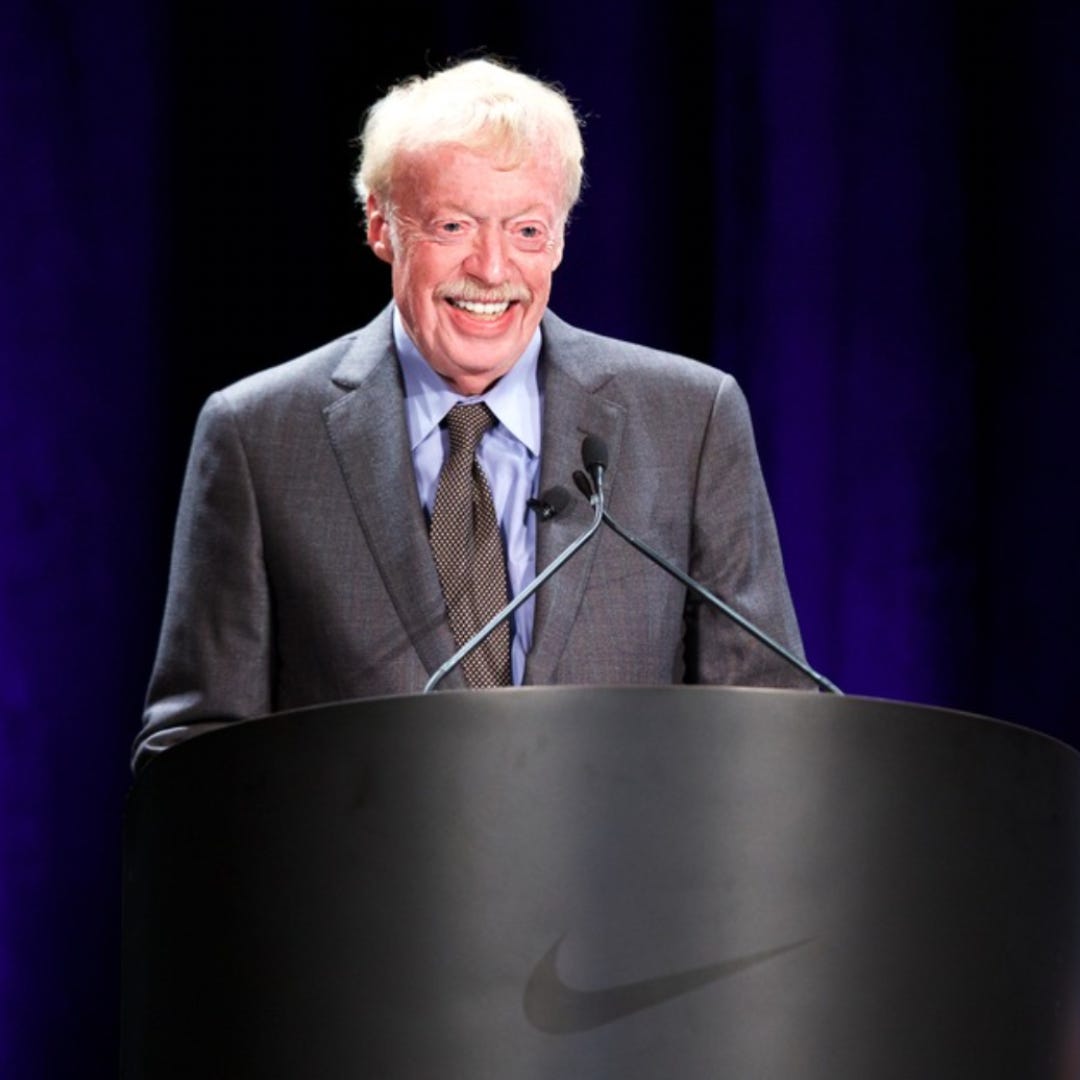
3. He was always resilient
Phil was full of resilience. But, like the gritty, messy, get-knocked-down-and-get-back-up type of resilient. If I were to compare it to any of his Nike athletes, just think about Serena Williams.
But you have to understand, Phil’s resilience wasn’t luck - it was built over time. As a kid, Phil played 116 straight games of badminton with a cousin. He lost 115 of them - but refused to quit until he won. Most people would’ve walked away after game 10. Phil saw failure as an invitation to try again. Fast forward to his working life - he worked six days a week at Price Waterhouse, then spent mornings, nights, and weekends building Nike. No friends, no social life - just pure resilience to keep going.
But this resilience came at a cost. His obsession with Nike strained his family life. To the point where, his son Matthew eventually refused to wear Nikes altogether as a way to express his resentment over his father’s absence.
Phil’s resilience wasn’t just about bouncing back from tough times - it was about pushing through the various conditions that were put in front of him and turning them into advantages. But please just remember - resilience isn’t always free. Phil paid the price in relationships and balance.
🤲 The Takeaways
Lesson #1 → Focus Ruthlessly - Single-tasking is a flex. The best people go deep, not wide.
Lesson #2 → Bet Big - Phil ran Nike at 100% debt-to-equity, knowing growth wouldn’t come from playing defense.
Lesson #3 → Grow or Die - From distributor to creator, he believed in growth always.
Lesson #4 → Resilience Can Be Trained - Phil trained resilience. Pushing through repeated failure shaped his ability to keep going when most would’ve quit.
Lesson #5 → Build a Team That Thinks Like Warriors - Phil didn’t just hire employees - he hired competitors.
Wanna be like Phil?
Haven’t read Shoe Dog but want a quick podcast on it instead?
The most detailed breakdown of Nike’s rise you’ll ever find—worth every minute.
That’s all for this week, friends.
Until next Monday,
Vince